


Have you ever wondered why a cake may look simple in a display case, when the recipe behind it may have gone through countless trials before it ever reaches a customer?
Behind every new cake or pastry is a process that goes far beyond deciding on a flavor and creating a single sample. An idea needs to go through various stages, from defining the concept and selecting ingredients, to conducting multiple trials and ensuring that the product can be consistently produced while maintaining its quality when it reaches the customer.
For the Research & Development (R&D) team at Ann’s Bakehouse & Creamery, every product has its own story. Before it is finally created for customers to enjoy, each menu item is developed with careful consideration of flavor, texture, appearance, production consistency, and the overall customer experience.
At Ann’s, a new menu does not begin with a recipe. It all begins with an idea.
So, what does the journey from an initial idea to a new Ann’s menu actually look like?
It All Begins with an Idea
A new menu can begin with many different sources of inspiration.
According to the Ann’s R&D team, ideas for seasonal and new menus may come from customer preferences, classic flavors given a fresh twist in response to current trends, or particular occasions and moments.
However, following trends does not simply mean creating something that happens to be viral.
Every idea needs to be adapted to the character of Ann’s. The R&D team considers how a flavor concept can be translated into a product with its own identity while remaining relevant to customers.
“Every Ann’s product has a special story behind its creation.”
— R&D Team, Ann’s Bakehouse & Creamery
In other words, a trend may serve as an initial source of inspiration, but it is not the only consideration when deciding whether a product should be developed.
From an Idea to a Concept Ready for Development
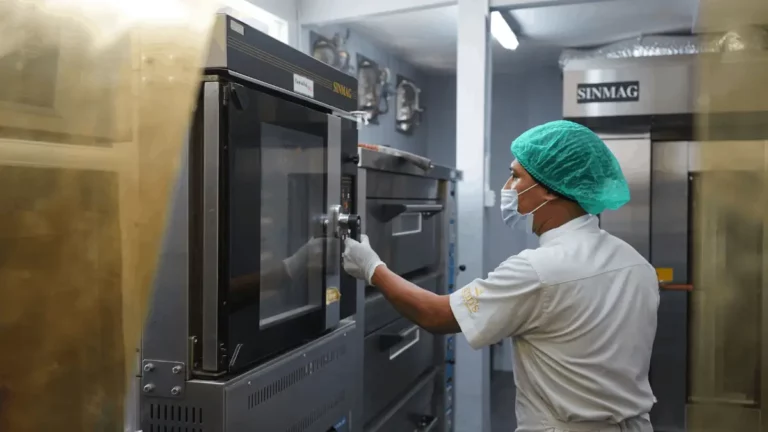
Once an idea has been identified, the R&D team begins defining the product concept and the ingredients that will be used.
At this stage, several factors need to be considered simultaneously. Analytical data, customer feedback, classic trends, and current trends all become part of the considerations before a concept is developed further.
But there is another equally important question: can the product meet Ann’s standards as a whole?
Everything from the flavor profile, texture, and appearance to the ingredients, production consistency, and product stability during delivery needs to be considered from the beginning.
A product should not only taste good when it has just been made. It should also continue to provide the intended experience when it eventually reaches the customer.
The First Trial Is Not Necessarily the Last
Once the concept has been established, the R&D process enters a more experimental stage.
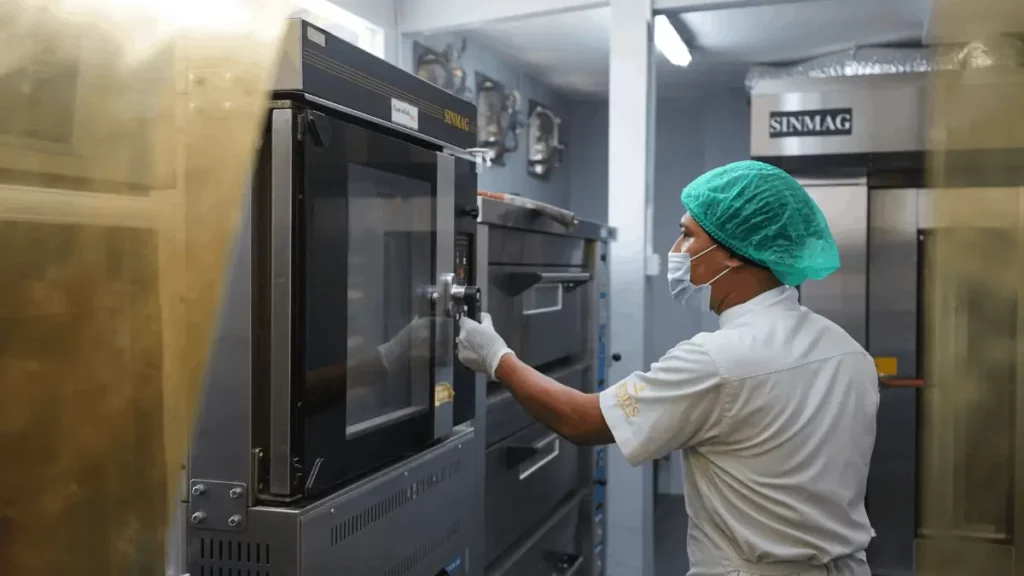
The team develops several formulations using different combinations of ingredients. Each formulation is then made into a sample for comparison.
From there, the process of trial and evaluation begins. Some of the aspects considered include:
- Ingredients and proportions
- Flavor and flavor profile
- Texture
- Aroma
- Appearance and decoration
- Preparation techniques
Interestingly, even a small change to one ingredient or preparation technique can create a significant difference in the final product. That is why the trial process is not simply about finding a recipe that tastes “good”. It is about finding the combination of ingredients and techniques that brings the original concept to life while meeting Ann’s standards.
However, not every trial will produce a result that meets expectations. According to the Ann’s R&D team, both successful and unsuccessful trials provide valuable learning.
An unsuccessful trial can help the team understand what needs to be improved and what should not be repeated.
“The most important thing is not to be afraid of experimenting, because through the process, we can discover better formulas and methods.”
— R&D Team, Ann’s Bakehouse & Creamery
Ultimately, the trial process is not about avoiding failure. Through experimenting, evaluating, and making adjustments, a product can gradually evolve into a better version.
When a Classic Cake Requires More Trials
Not every product requires the same number of trials.
Some products can find the right formulation relatively quickly. Others may require numerous trials before achieving the desired result.
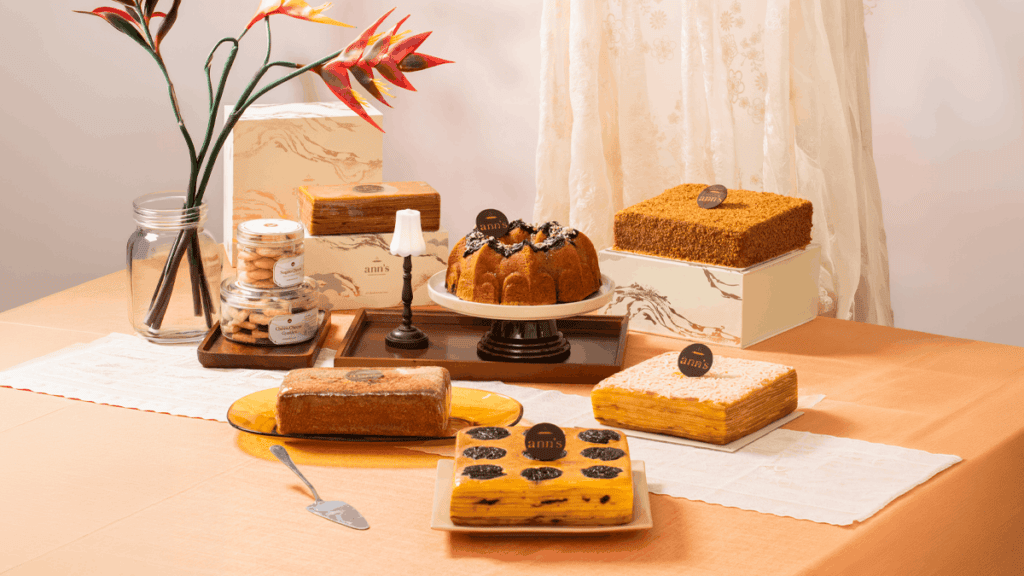
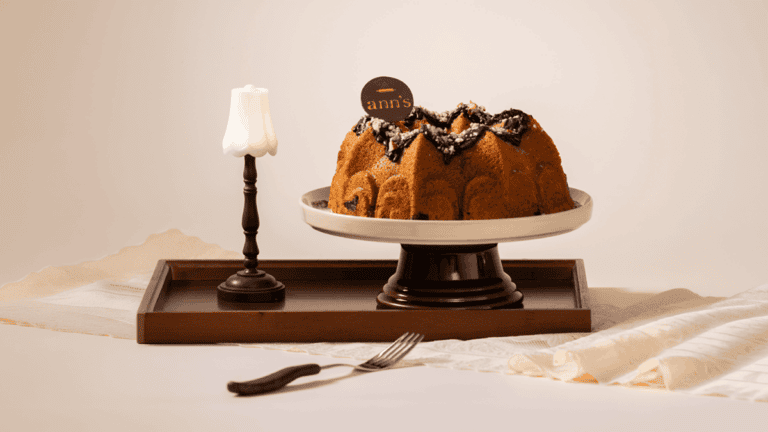
Marble Cake and Lapis Legit are examples. Both are familiar products with established characteristics, which means expectations for their flavor and texture are naturally high.
According to the R&D team, the number of trials for products like these can even become “uncountable” in the pursuit of the right combination.
On the other hand, products such as Lychee Cream Cake and Chocolate Butter Caramel Cake were able to reach the desired result through a relatively shorter development process.
This shows that there is no fixed number of trials in R&D. Every concept comes with its own challenges and development requirements.
How Does the R&D Team Know When a Product Is “Just Right”?
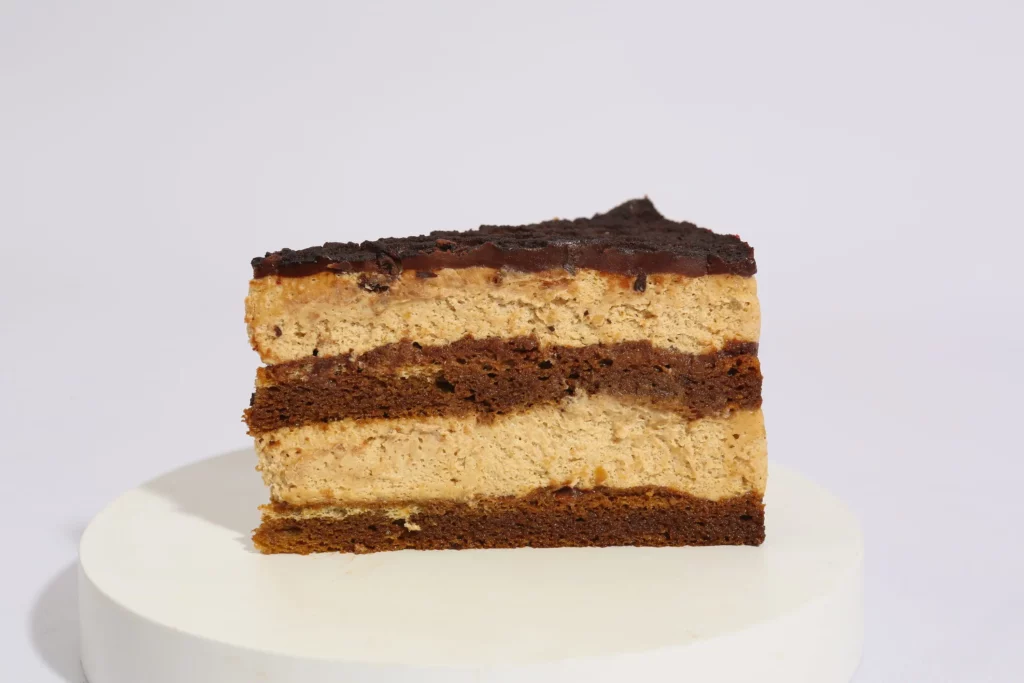
Once a sample begins to approach the desired concept, the team conducts a thorough tasting and evaluation.
It is not only the flavor that is assessed. The R&D team looks at the product as a whole, from its appearance, aroma, and taste to its texture, balance, and aftertaste. Every element needs to work together to create the intended experience.
If there are differing opinions during the tasting process, the team discusses them together and determines the necessary adjustments based on the evaluation.
In other words, the final decision is not based solely on one person’s preference, but on a process of collective discussion and evaluation.
From the R&D Kitchen to the Panel Test
When a recipe is considered to meet the R&D team’s standards, the process is not yet complete.
The product then enters the panel test stage, involving Ann’s internal employees and loyal customers. This stage provides an opportunity to understand how the product is received by people outside the development process.
Feedback from the panel test can offer a different perspective and help the team determine whether the developed product truly delivers the experience they intended.
Once it has passed the validation process, the product can continue its journey towards production and, eventually, be introduced to customers.
Not Every Delicious Product Makes It to Launch
One of the interesting aspects of the R&D process is that a product being delicious does not necessarily mean it will be launched. There are other considerations that need to be met before a product is ready to be sold.
One of these is the product’s safety and stability throughout the delivery process.
A cake with decorations that can easily shift, or a product that melts easily, may look perfect when it has just been made. However, if its appearance cannot be maintained during delivery, the product needs to be evaluated again.
This shows that the customer experience does not begin only when they taste the product. How the product arrives at their table is also part of the development process.
Does the R&D Process End After Launch?
Not necessarily.
After a product is launched, the team continues to pay attention to how it is received.
Before launching, feedback from the internal team is gathered through the R&D validation process. Once the product becomes available to customers, its performance can also be observed through operational feedback and sales data.
These evaluations help the team identify whether there are aspects of the product that could still be improved.
When necessary, the results can even become the basis for making further adjustments to the product.
A new product, therefore, is not necessarily considered “finished” once it has launched. Feedback from customers and the internal team can become part of the next stage of refinement.
More Than Just Creating a New Menu
Behind every seasonal or new menu at Ann’s is a journey that may not be visible when the final product arrives at the table. An idea needs to pass through various stages, from inspiration, ingredient selection, and formulation to trials, tasting, panel testing, validation, and post-launch evaluation.
Each stage plays its own role in finding the right balance between flavor, texture, appearance, production consistency, and the experience the product is intended to create.
As the Ann’s R&D team puts it:
“Every product we create requires time and passion to achieve the best result. A product should not only taste good, but also be enjoyable to savour and bring happiness to important moments, with every bite shared with family or colleagues.”
Ultimately, creating a new menu is not simply about introducing something different. It is about translating an idea into a product with its own character, while keeping it relevant to the way customers enjoy and share food.
And perhaps, that is what gives every seasonal menu its own story.
It begins with an idea, evolves through a thoughtful process, and eventually becomes something meant to be enjoyed together.
Because every creation has a story behind it.
Curious to discover what’s next?
From seasonal creations to signature favorites, find Ann’s creations through our website or visit nearest stores to check out our catalog in person.
Read More: Bagaimana Ann’s Pastry Chef Menciptakan Kombinasi Rasa Cake yang Seimbang dan Memukau?

Leave feedback about this